
HOPE AS
MOVEMENT
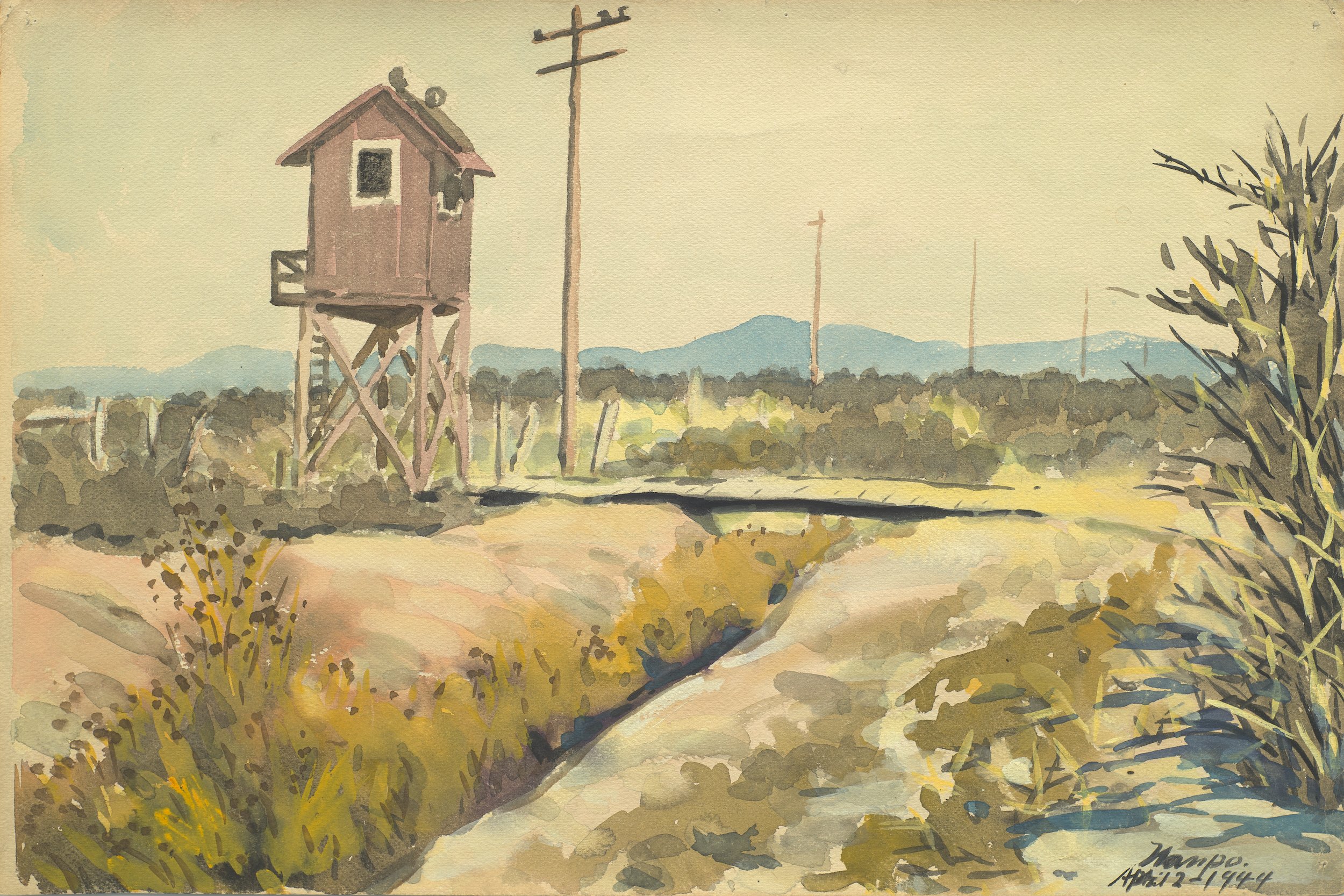
Chikaji Kawakami, Untitled (The Guard Tower), 1944. Collection Monterey Museum of Art. Gift of the Jim and Diane Coward Family Trust. 2023.012.024
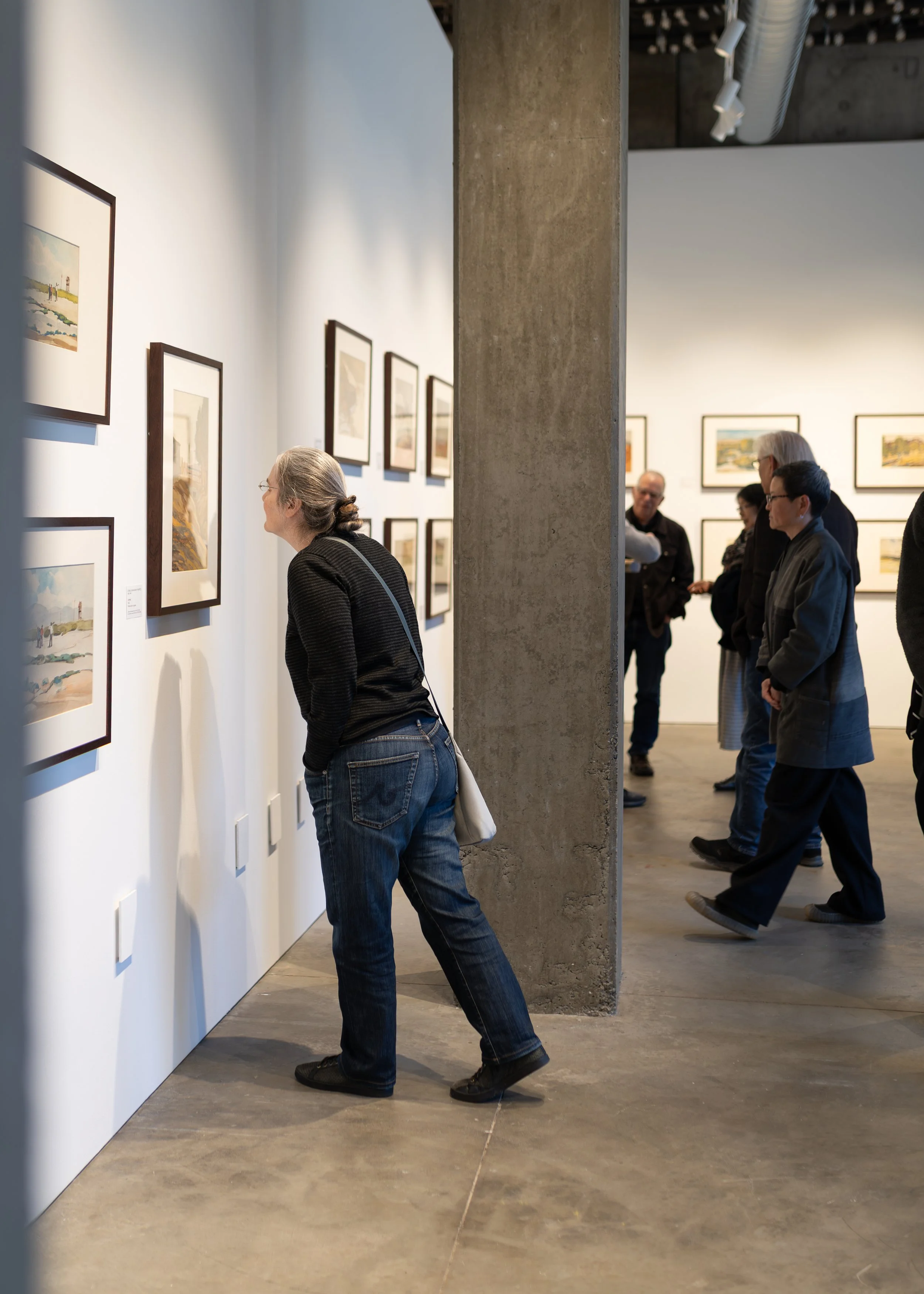
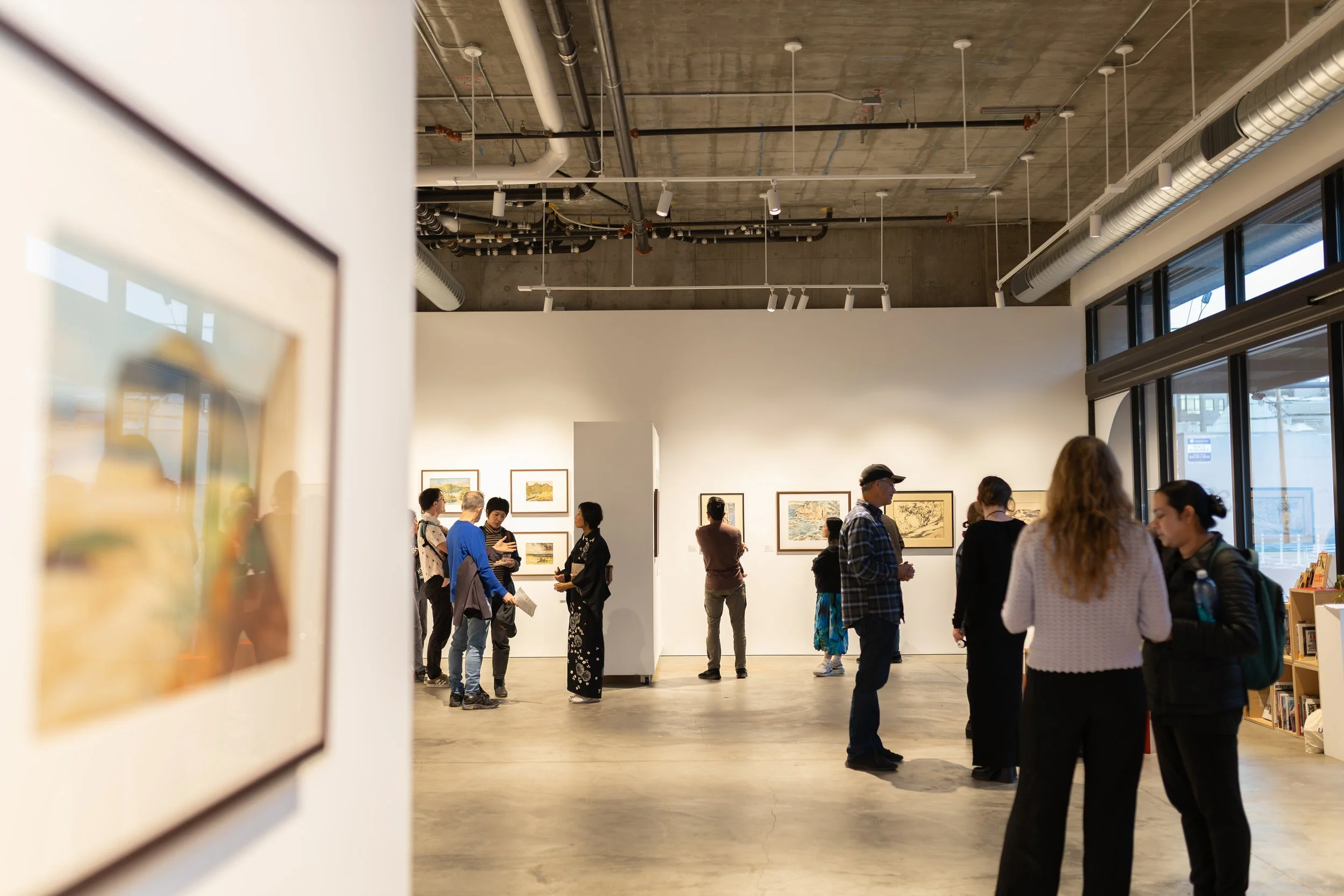
The exhibition presented a selection of 39 paintings by Kawakami as a visual documentary of life in the Japanese American internment camps from the perspective of an Issei, or first-generation Japanese immigrant. Instead of being paralyzed by fear, Kawakami responded to his unjust incarceration by using art to portray himself and his fellow inmates with dignity and to depict the natural beauty of his surroundings. By examining the paintings in the social and cultural context of the camps, they can be seen as performative acts to restore and assert a traditional Japanese identity that was assaulted daily.
The exhibition also included four paintings by Chiura Obata, a prominent Japanese American artist and educator who founded and developed the art schools at Tanforan and at Topaz, where Kawakami and other artists of Japanese descent taught.
Lydia Nakashima Degarrod created a series of teaching modules to accompany visits to the exhibition. Each module was designed to be completed in under an hour and includes a short introduction, an activity, and a set of questions to guide visitors in meaningful discussion. Browse the modules →
Under the Guard Tower was on view at the CCA Campus Gallery April 1–May 15, 2026.
The 2026 CCA@CCA theme, Hope As Movement, asks: how do we cultivate hope to fight the paralysis created by fear?
The centerpiece of the Spring 2026 Deborah and Kenneth Novack Creative Citizens Series was an exhibition curated by CCA@CCA Faculty Coordinator Lydia Nakashima Degarrod: Under the Guard Tower: The Watercolors of Chikaji Kawakami.
Under the Guard Tower featured work by Chikaji Kawakami, who spent three years painting watercolors during his incarceration at Tanforan Assembly Center and Topaz Internment Camp, places used by the United States government to imprison people of Japanese descent during WWII. After the bombing of Pearl Harbor in 1941, approximately 120,000 people of Japanese descent, two-thirds of whom were American citizens, were imprisoned in 10 camps within the U.S.
FACULTY COORDINATOR
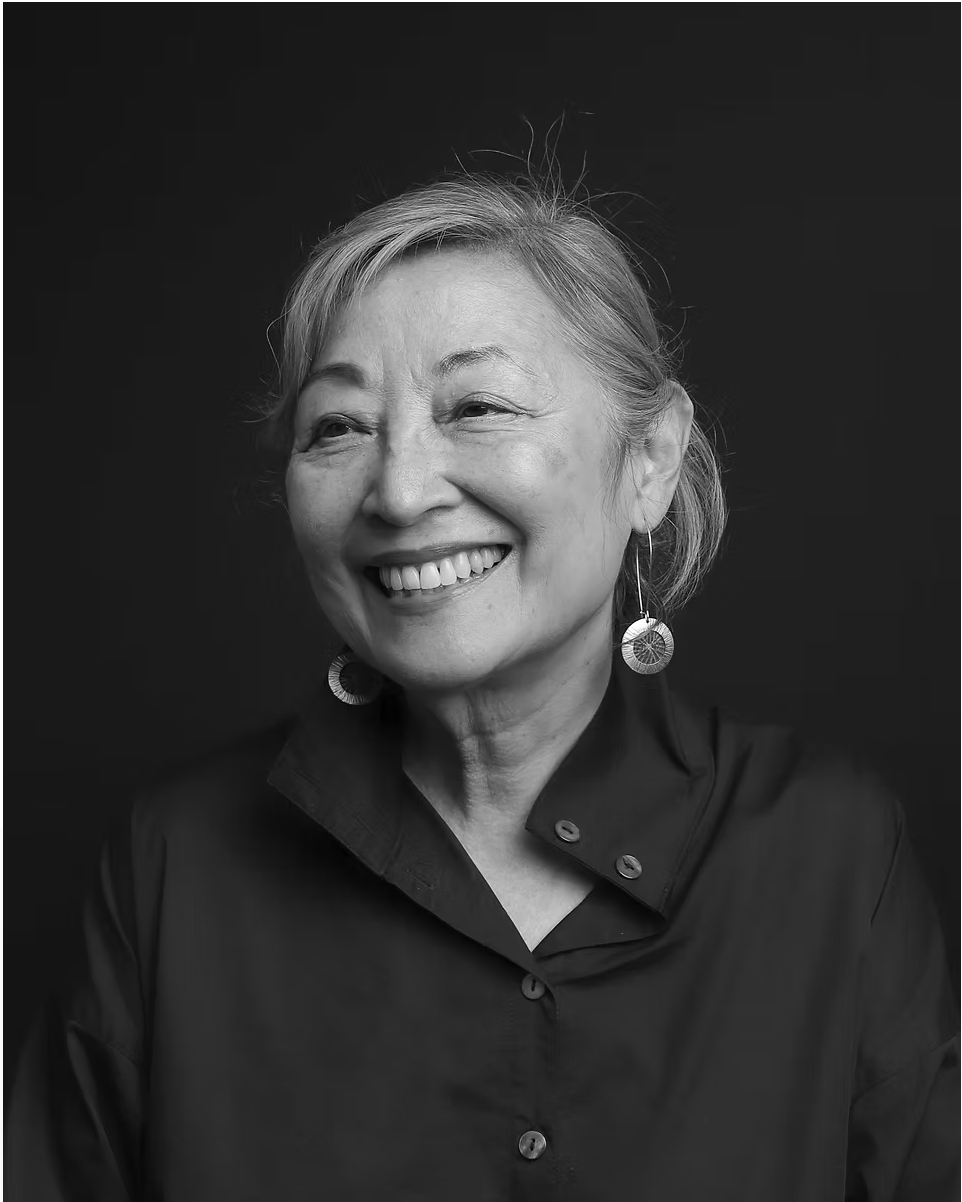
Lydia Nakashima Degarrod, Ph.D.
Lydia Nakashima Degarrod, Ph.D. is a visual artist, cultural anthropologist, and curator whose work has been exhibited in museums and galleries across the United States and internationally. She has received awards from the International Contemporary Craft Competition & Exhibition, the Wing Luke Memorial Museum, Saint John’s University, the California Story Fund, and the California Council for the Humanities, among others. As a scholar, she has been supported by Fulbright, the Tinker Foundation, the National Endowment for the Humanities, and the California Council for the Humanities. Degarrod has held postdoctoral fellowships at the University of Virginia and Harvard University and completed residencies at the de Young Museum, Djerassi Artists Program, Kala Art Institute, and Blue Mountain Center. She currently serves as Senior Adjunct Faculty in Critical Studies at California College of the Arts.
CAMPUS ACTIVATION
CCA@CCA Symposium:
Hope As Movement
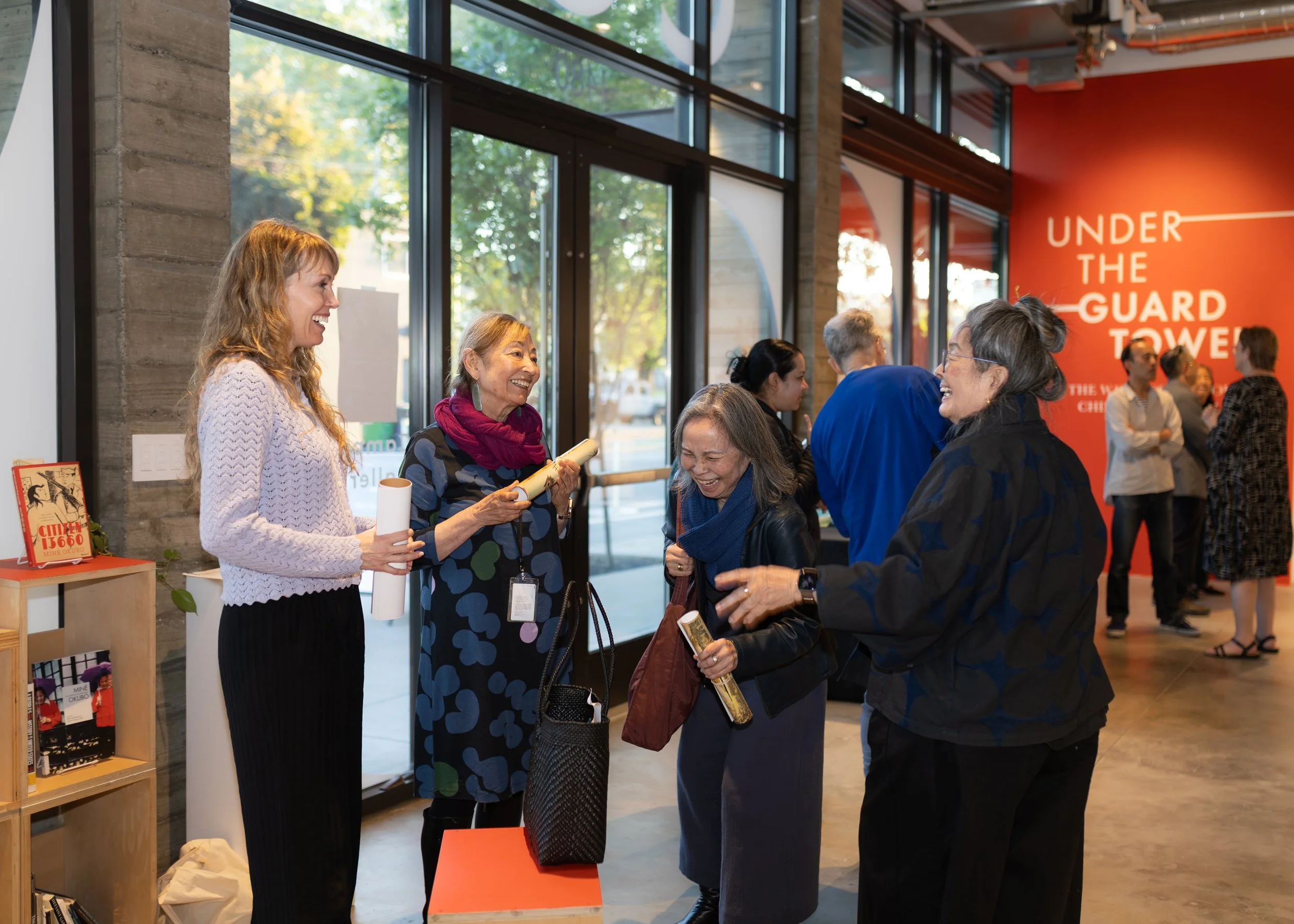
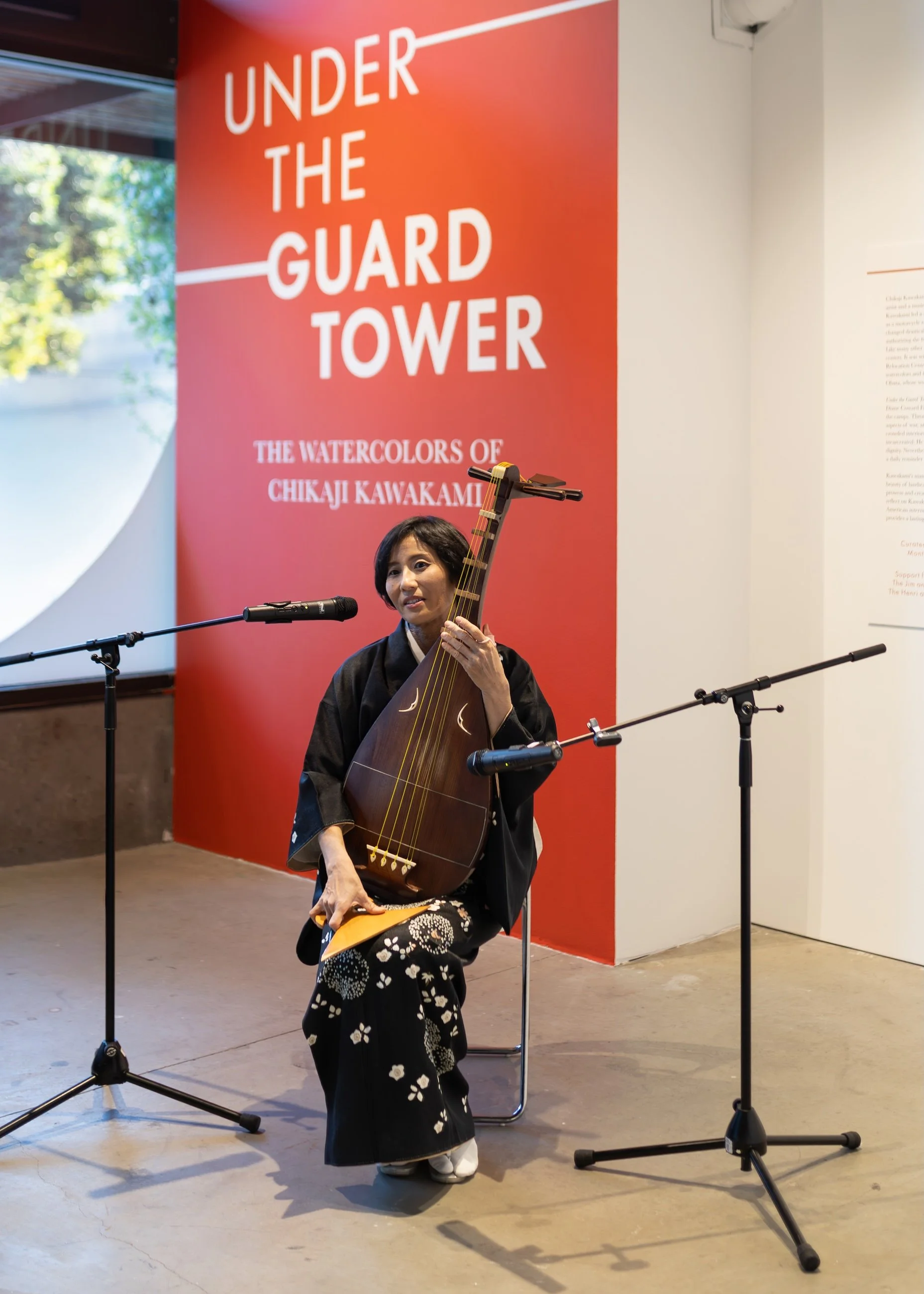
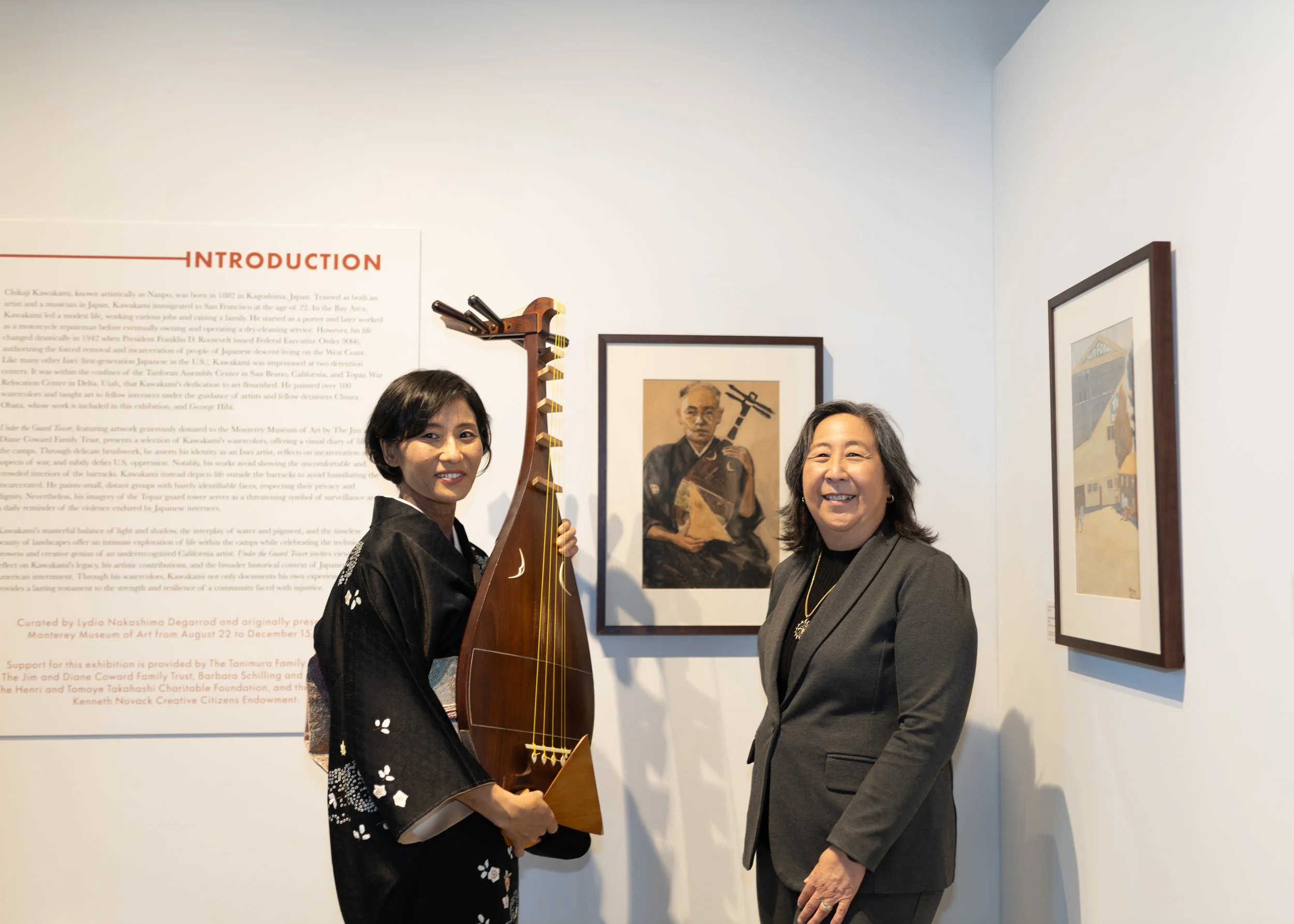
The 2026 CCA@CCA symposium was presented in conjunction with the opening of Under the Guard Tower: The Watercolors of Chikaji Kawakami at the CCA Campus Gallery on April 2, 2026. Symposium panelists included Chikaji Kawakami’s granddaughter, Diane Kawakami Coward; the director of the Monterey Museum of Art, Corey Madden; CCA@CCA Faculty Coordinator Lydia Nakashima Degarrod; and Masako Takahashi and TT Takemoto, contemporary artists whose art practices address internment. Nobuko Fukatsu performed traditional and contemporary pieces on the biwa.
Symposium Speakers
Diane Kawakami Coward is the granddaughter of Chikaji Kawakami, a watercolor artist who was incarcerated at Topaz, Utah, during WWII. Chikaji was invited by former UC Berkeley faculty member Chiura Obata to serve as a teacher at the art school he established at Topaz camp. After the war, her family resettled in Chicago and later San Francisco. Experiencing housing instability in her own family history shaped Diane’s commitment to equitable development. She earned a degree in Architecture from UC Berkeley and is the CEO of Revision West, a real estate development company focused on building housing for the “missing middle.”
Corey Madden’s wide-ranging career spans leadership, teaching, and creative positions across the visual and performing arts, including roles at the Getty Museum and Villa, California Institute of the Arts, and the Music Center of Los Angeles. Since 2020, she has served as Executive Director of the Monterey Museum of Art, where she has revitalized the organization and led a comprehensive building and capital campaign. Under her leadership, the museum launched the annual Block Party arts festival and inaugurated the Monterey Biennial in 2025. MMA has collaborated on exhibitions with the Oakland Museum of Art, the Japanese American National Museum, Sonoma Valley Museum of Art, California College of the Arts, and Loyola Marymount College.
Masako Takahashi was born in Topaz, Utah, where her family was incarcerated during World War II. She later received a painting scholarship to the San Francisco Art Institute. Coming of age during the Civil Rights and Ethnic Studies movements, Takahashi developed a practice shaped by questions of identity, racism, and displacement. After moving to Mexico, she began embroidering her own hair into intricate abstract compositions, creating a deeply personal visual language. Her work resists literal translation while expressing vulnerability and resilience. Takahashi’s art has been exhibited in museums and galleries in the Netherlands, the United States, Mexico, Spain, and Japan.
TT Takemoto is a queer Japanese American artist and scholar exploring Asian American history, sexuality, and identity. Their work delves into hidden dimensions of same-sex intimacy and trauma existing within Asian and Asian American archives. Takemoto was awarded the Grand Jury Prize for Best Experimental Film at Slamdance Film Festival and the Best Experimental Film Jury Award at Austin LGBTQ+ International Film Festival (aGLIFF). Their screenings include Ann Arbor, Anthology Film Archive, Asian Art Museum, BFI Flare, de Young Museum, Documenta 15, MIX Mexico, Marseille Underground Film Festival, Outfest, Queer Forever! (Hanoi), Rio Gay Film Festival, SFMOMA, and Xposed International Queer Film Festival (Berlin).
Nobuko Fukatsu is a biwa (Japanese lute) performer based in Los Angeles. Born in Japan, she began studying Satsuma-biwa in 2005 under renowned musician Yoshiko Sakata. After relocating to the United States, she has performed at cultural gatherings, festivals, and educational settings and has contributed to recordings for film and other media. Her repertoire spans classical narrative works such as The Tale of the Heike, contemporary narrative compositions, and modern instrumental pieces. She also creates original settings of short literary texts in Japanese and English. Fukatsu performs on instruments that survived the World War II incarceration of Japanese Americans and researches the history of biwa within Japanese immigrant communities in Los Angeles.
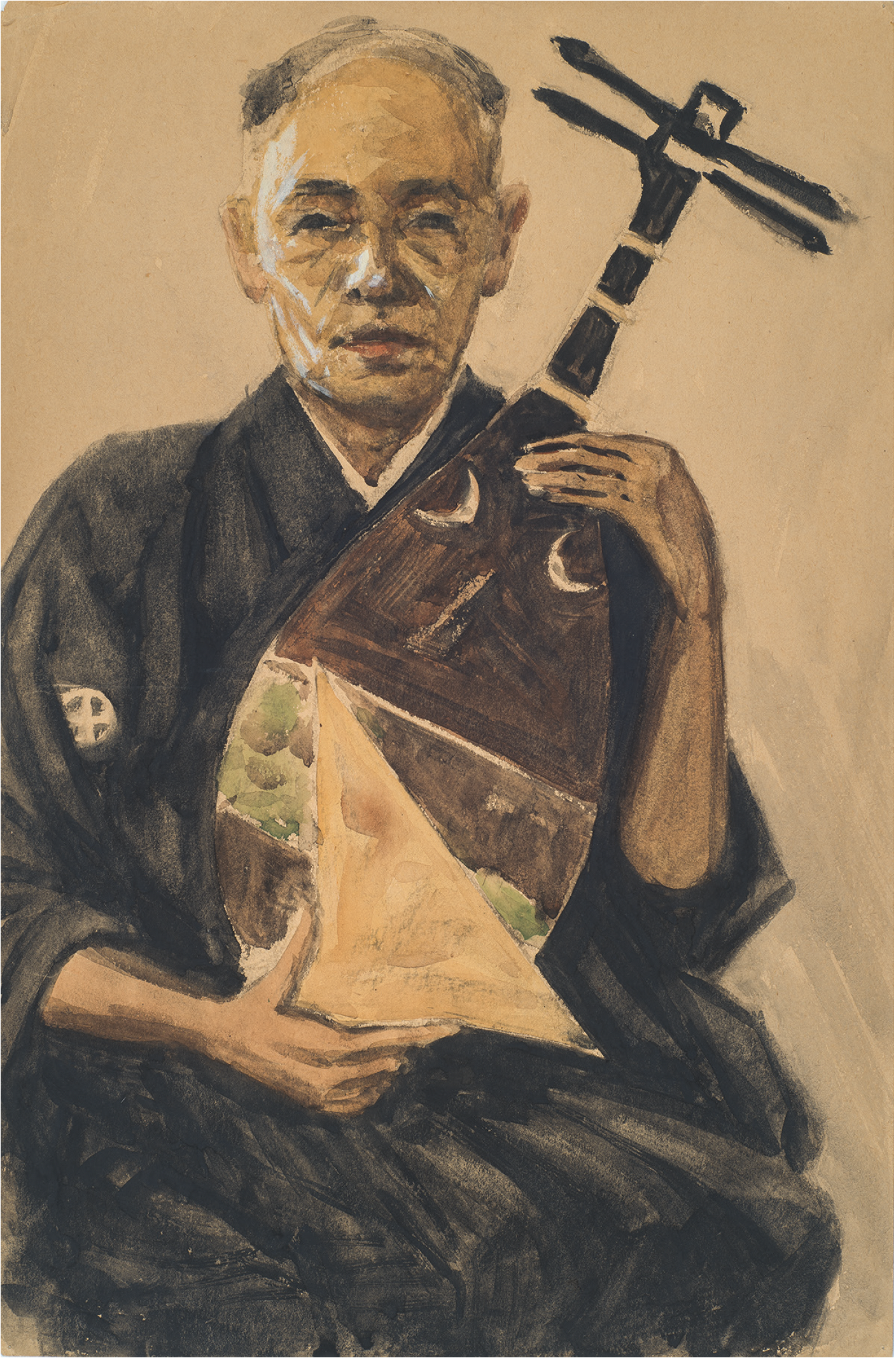
Chikaji Kawakami, Self Portrait, n.d. Collection Monterey Museum of Art. Gift of the Jim and Diane Coward Family Trust. 2023.012.002
SPOTLIGHTED PROJECT
A Happening for Hope
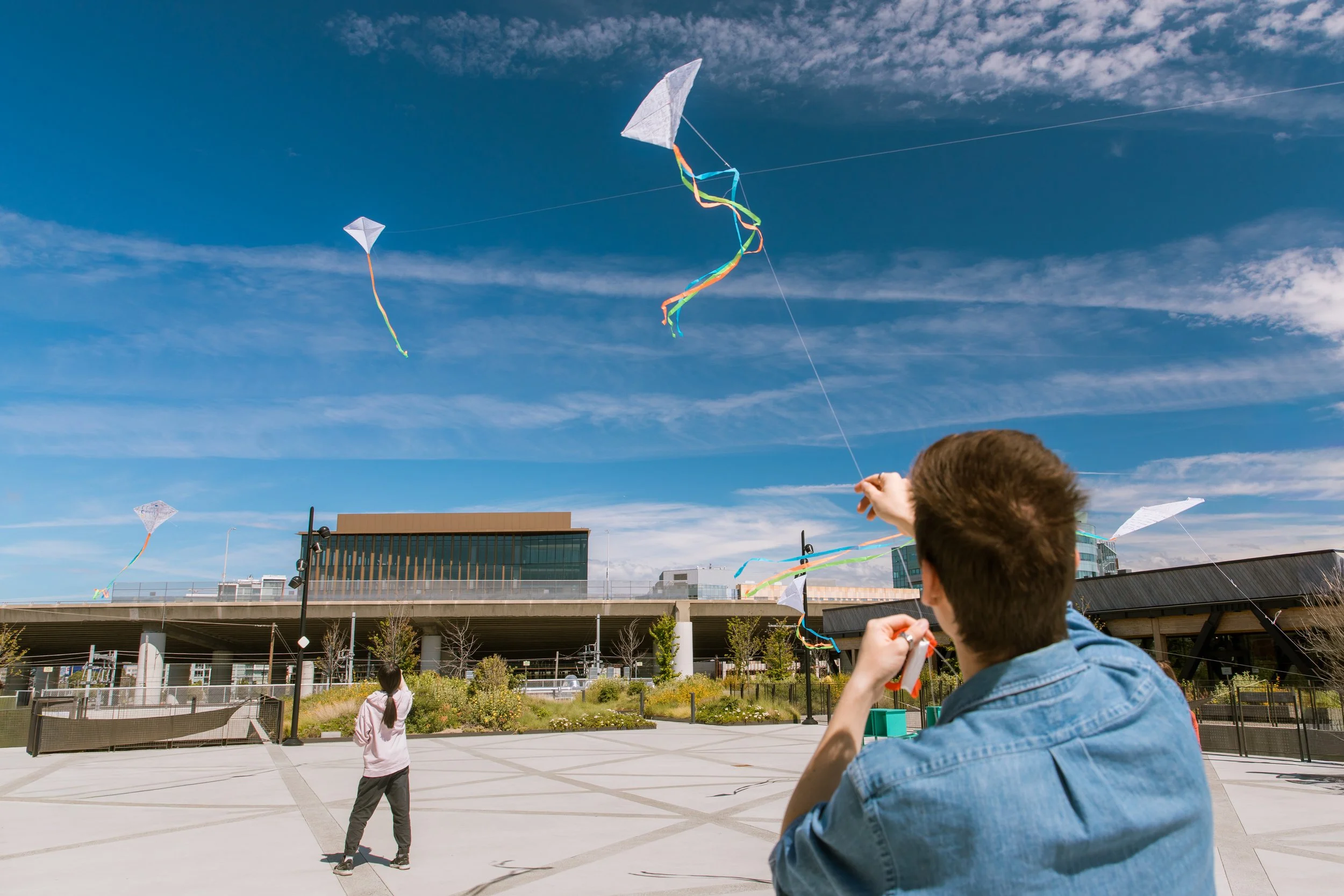
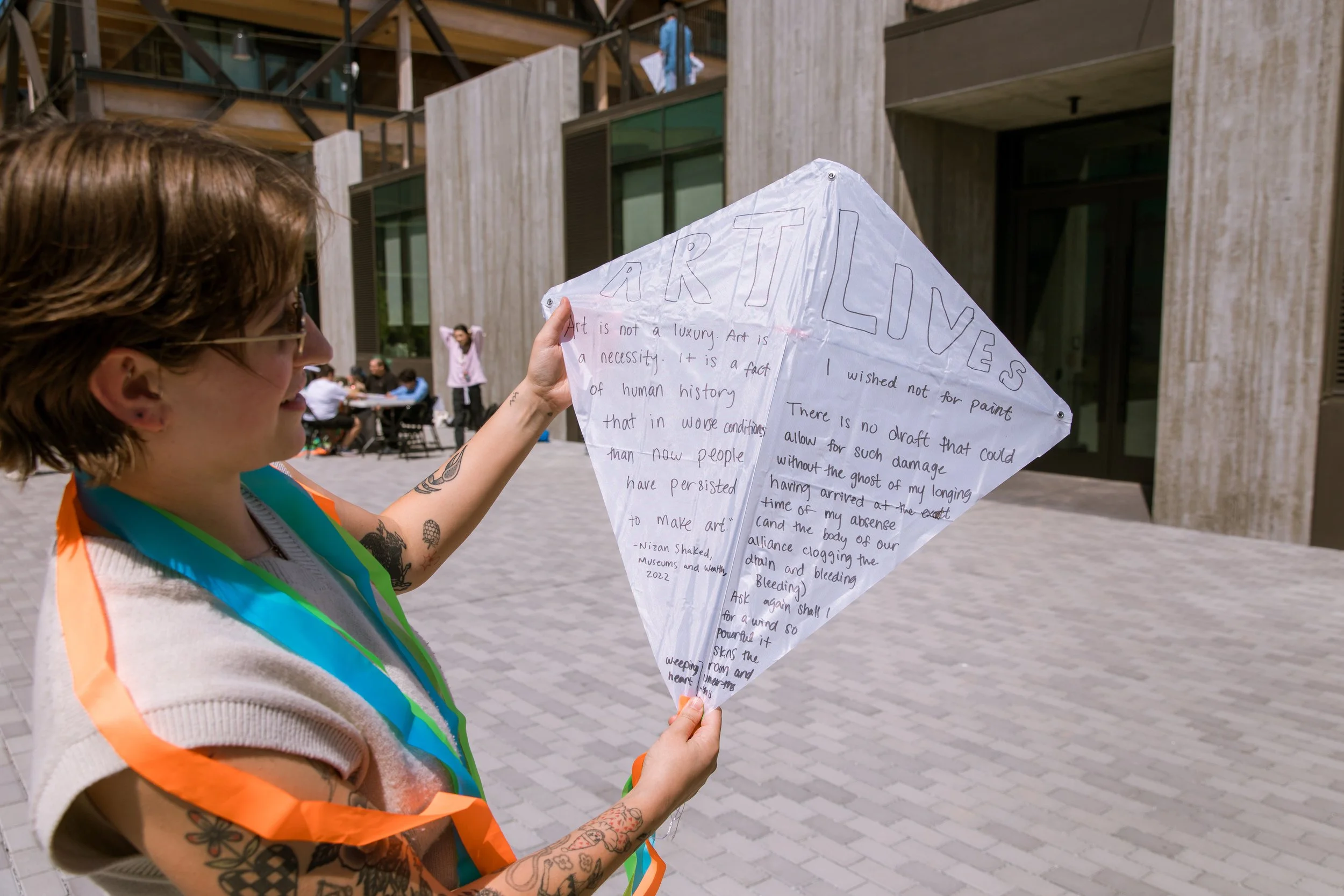
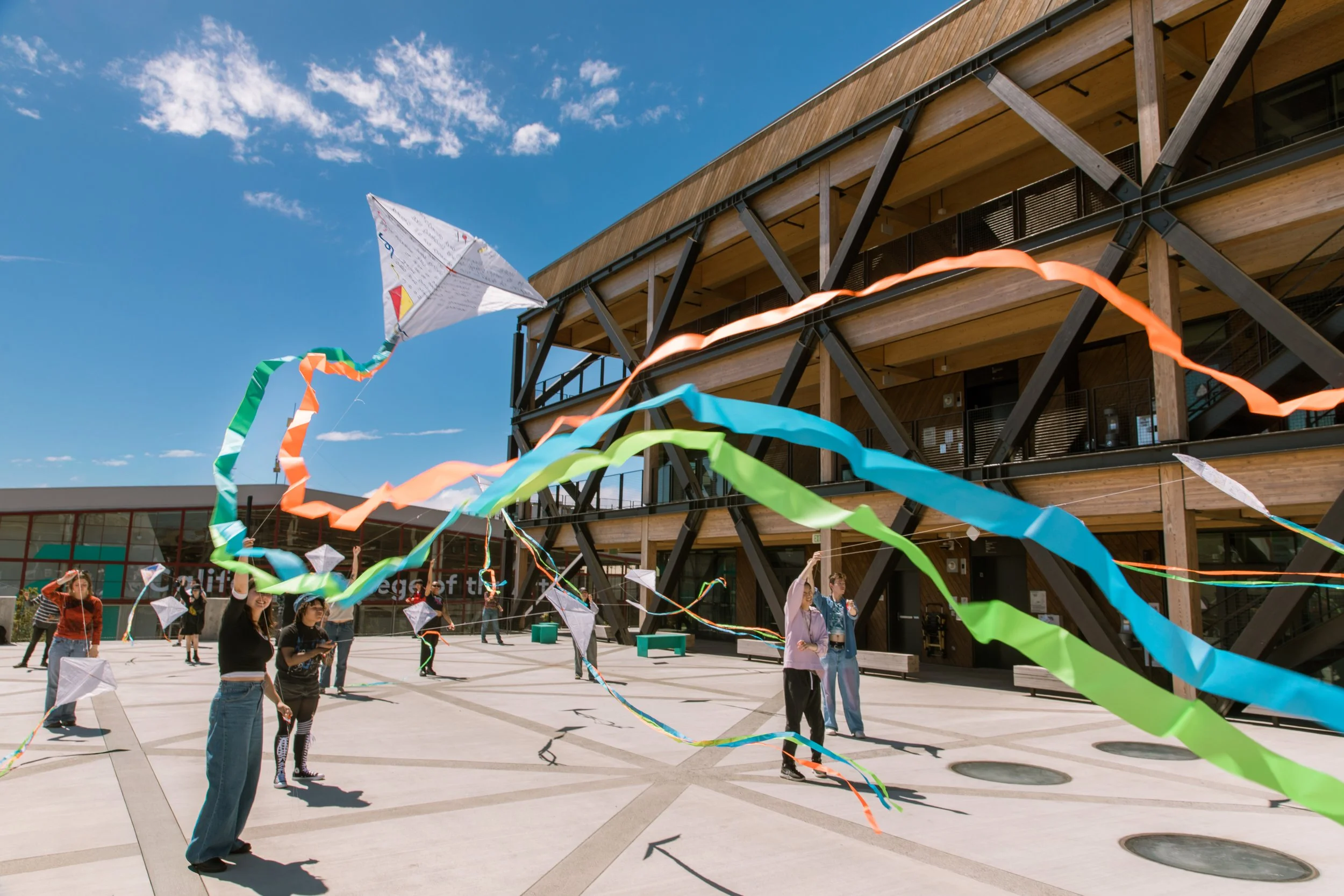
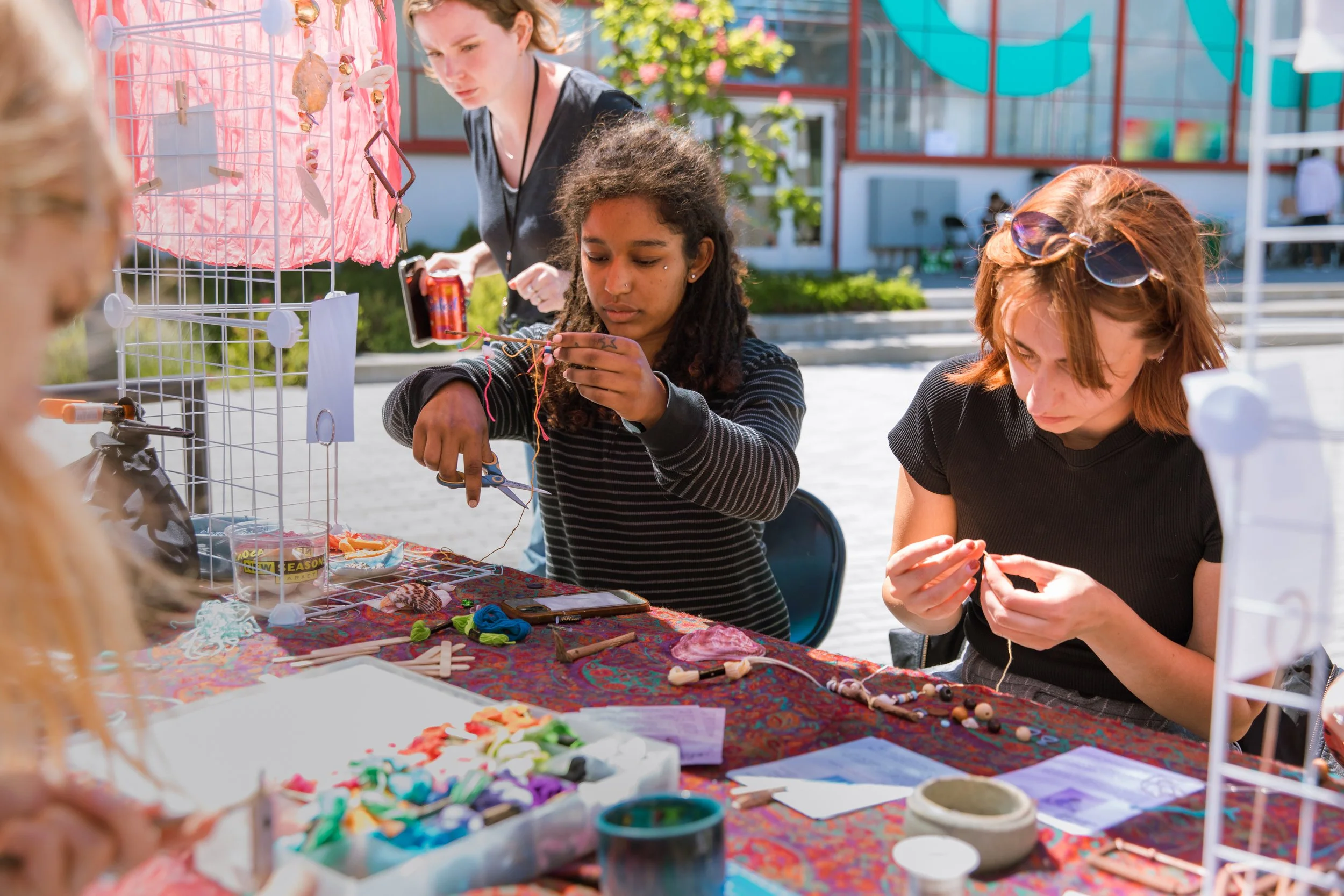
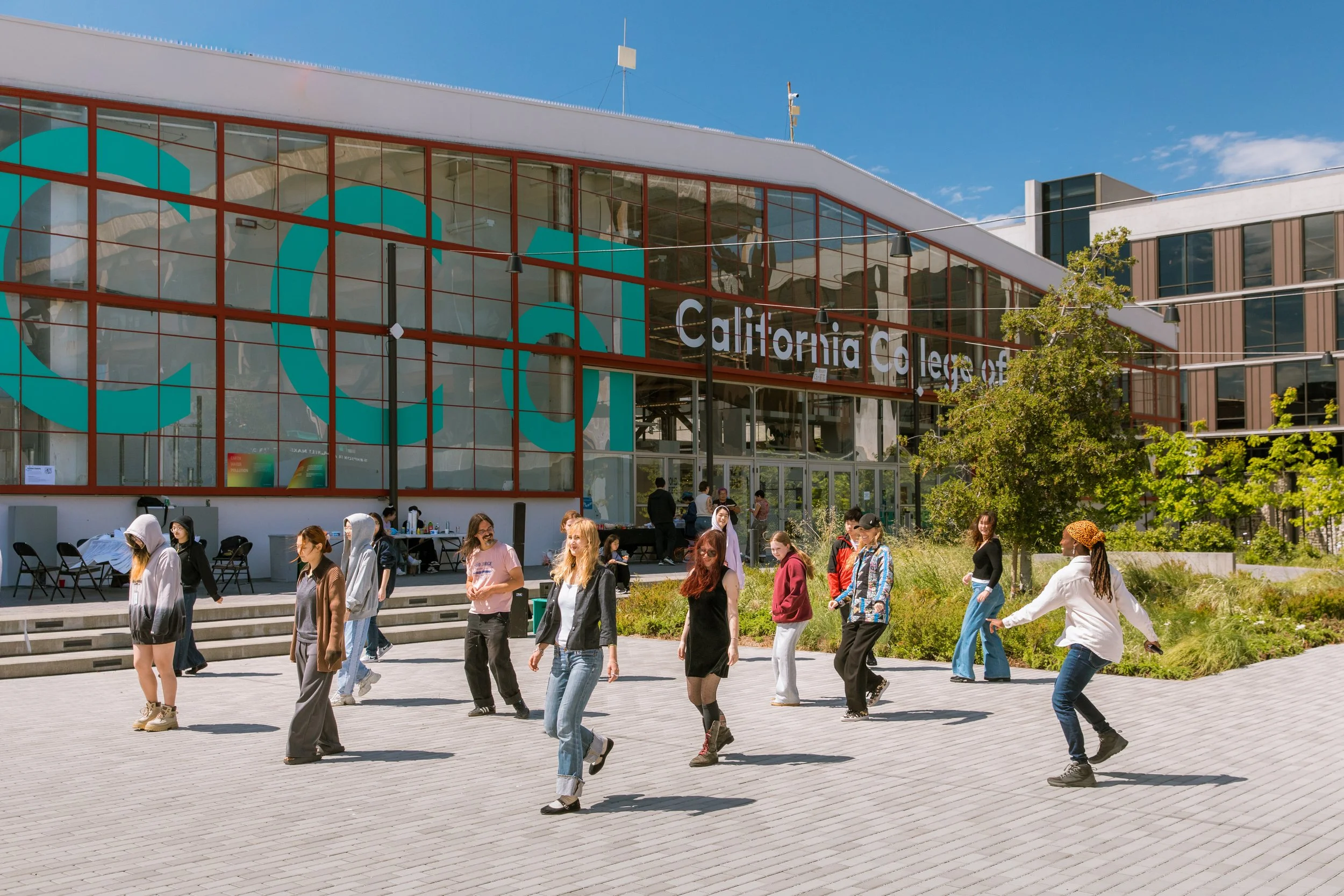
On April 9, 2026, the Gensler Family Courtyard became the site of A Happening for Hope, a public event supported by CCA@CCA Faculty Micro Grants and co-organized by faculty members Aimee Phan and Valencia James. The event invited the broader CCA community to experience firsthand the agency and creativity available to us in difficult times.
Students from two courses responded to a prompt developed in conjunction with the Hope As Movement theme. Projects from Valencia James' Collective Practices and Resistance course took on an environmental focus that emerged organically from class discussion: participants could make wind chimes from found and discarded materials, play a musical chairs-style game highlighting the impact of melting polar ice caps on polar bears, or engage with a project using food and drink to explore how pollution affects not only the earth but our own bodies. Students from Aimee Phan's Fantastic Fiction Genre Writing Workshop wrote poems on the theme of hope and flew them in the courtyard and upstairs on the quad.
The event also explored the power of physical movement to generate hope and joy, with line dancing rooted in Black Diasporic social dancing traditions, with choreography by Tre Little.
SPOTLIGHTED PROJECT
Seeds of Change
If you could "grow" a positive quality in your fellow humans and in the world, what would you choose?
Students in Isabel Samaras' Studio 2: Concept course were asked to design and illustrate an oversized package of metaphorical "seeds" that, when planted, would encourage positive change and raise awareness. Each piece incorporated plant symbolism to convey growth and transformation, and featured suggestions on the back for how to nurture these qualities in yourself.
The resulting collection, Seeds of Change, was on view in CCA’s Nave March 30–April 10, 2026. Participating students included Alex Lim, Cyris Penn, Lizzie Bartolo, Ellen Oh, Emma Tolstikhine, Kai Webb, Kate Valmores, Lilah Sperman, Sally Iwamasa, Selina Yu, and Yessie Pineda.
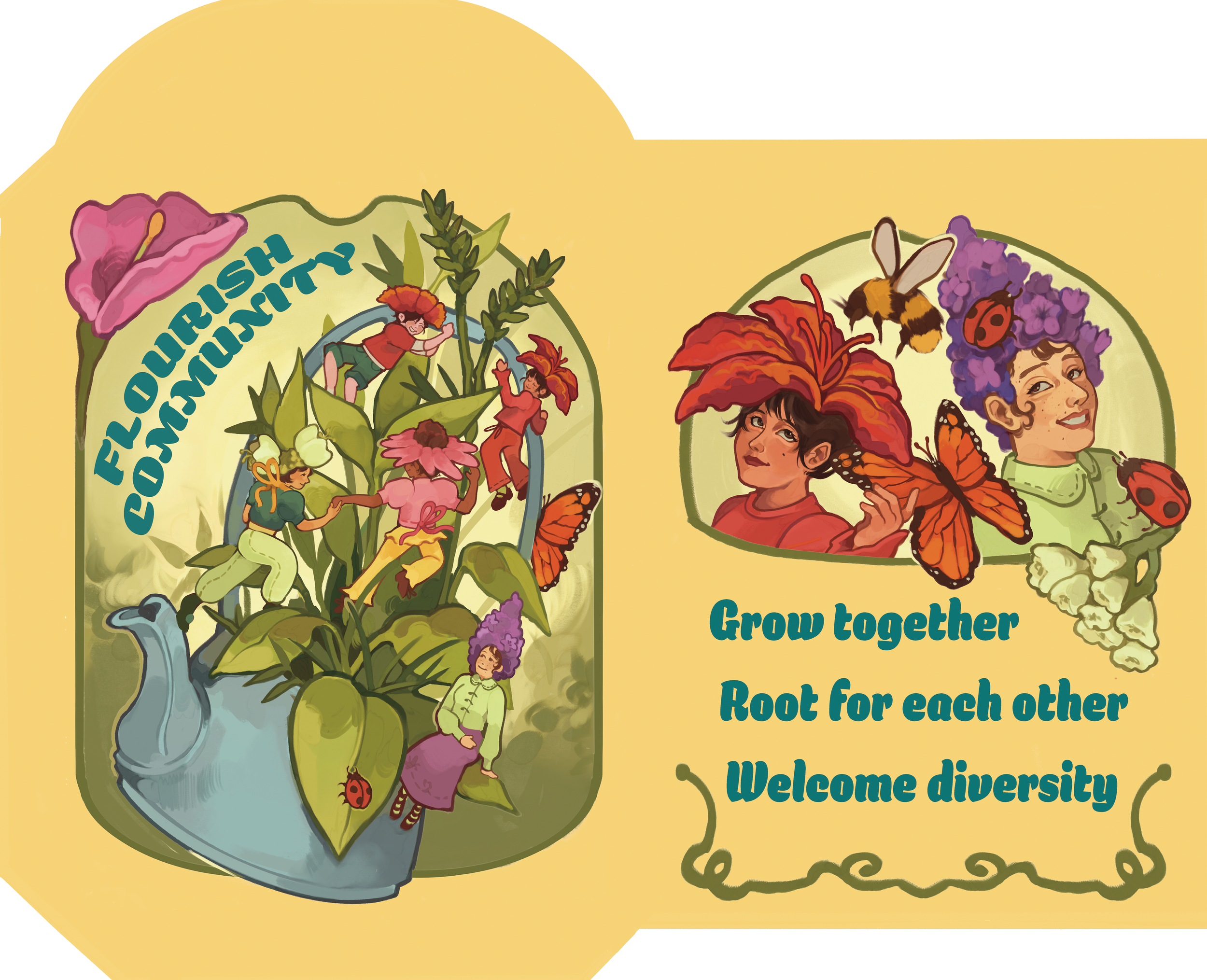
Kate Valmores
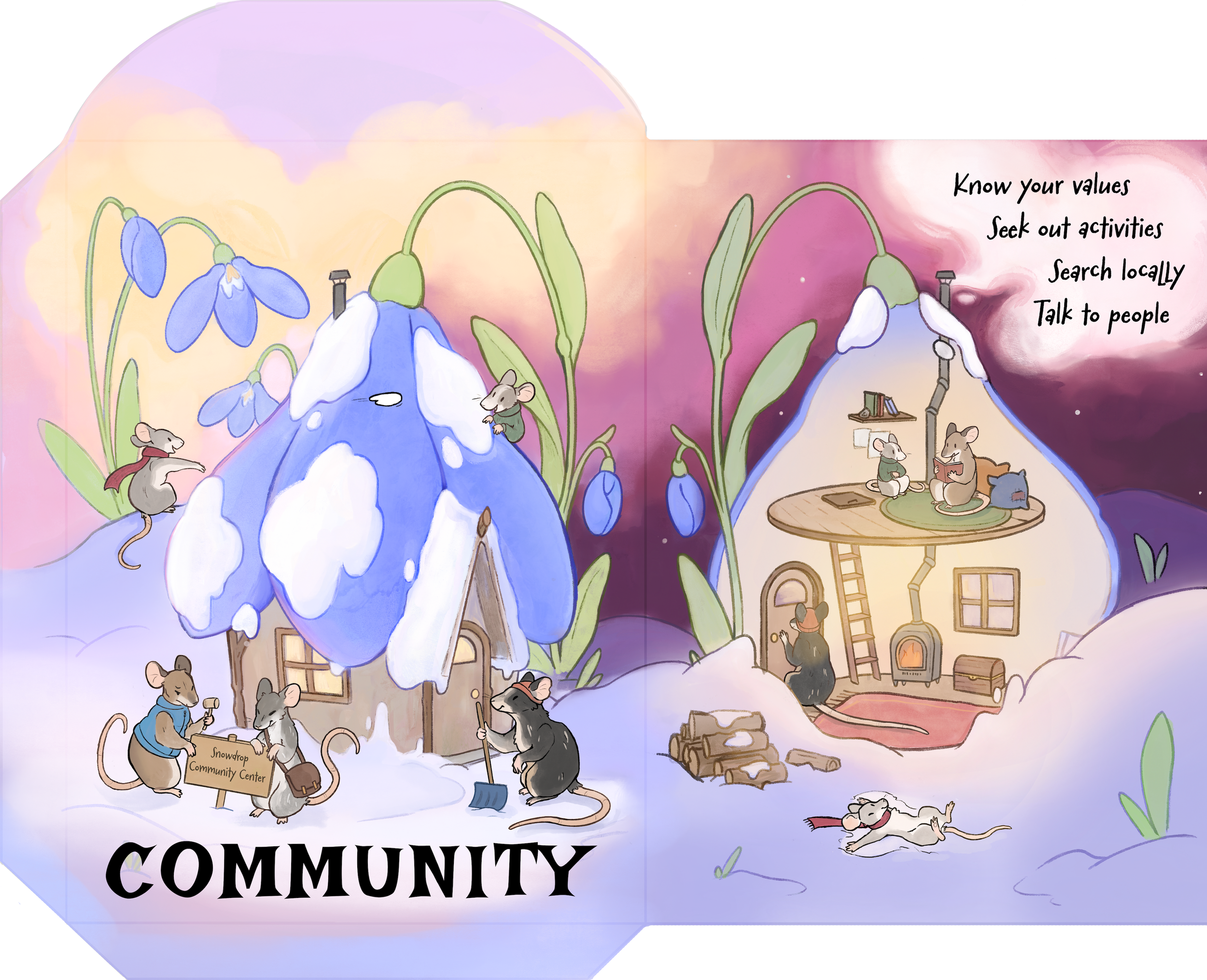
Emma Tolstikhine
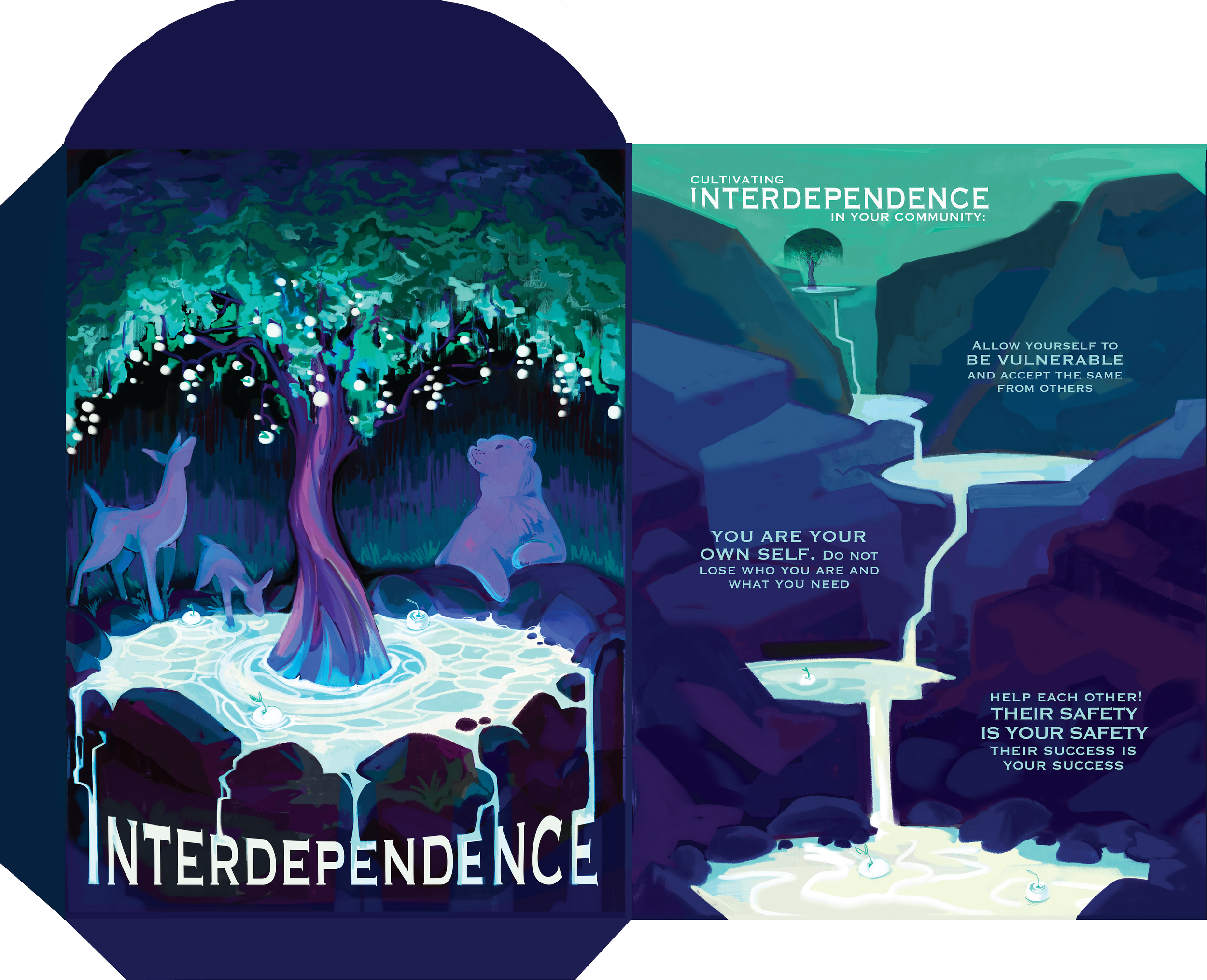
Cyrus Penn